
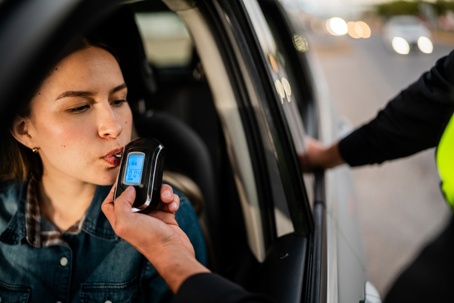
If you were charged with a DUI after a breathalyzer test, you may assume the result is the final word on what happened. But breathalyzer machines are not perfect, and conditions like extreme heat and dehydration can cause them to produce inaccurate readings. Understanding how these factors work — and how they can be used in your defense — could make a real difference in the outcome of your case.
If you are facing DUI charges and believe your breathalyzer result was inaccurate, don't wait — call us today at (931) 361-4477 or reach out through our online contact form to talk with an attorney right away.
What a Breathalyzer Actually Measures
A breathalyzer does not directly test the alcohol in your blood. Instead, it measures alcohol in the air you breathe out and uses a formula to estimate your blood alcohol content (BAC). BAC is the percentage of alcohol in your bloodstream, and in Tennessee, a BAC of 0.08% or higher is the legal limit for most drivers.
The problem is that this estimation process comes with built-in assumptions. The machine assumes that your body works the same way as everyone else's — and that is not always true.
How Body Temperature Plays a Role
When your body temperature is higher than normal, more alcohol vapor rises into your lungs and breath. This means the breathalyzer picks up more alcohol in your breath than is actually in your blood. Studies have shown that a body temperature just one degree Celsius above normal can cause a breathalyzer reading to be as much as 7% to 8% higher than your actual BAC.
Fever, illness, strenuous physical activity, or spending time in extreme heat — like a Tennessee summer — can all raise your body temperature. If any of these applied to you at the time of your traffic stop, your test result may not have reflected your true BAC.
Dehydration and Its Effect on BAC Readings
Dehydration reduces the amount of water in your body. Because alcohol is carried through your blood and body fluids, having less water in your system means the same amount of alcohol is more concentrated — making your BAC appear higher than it would in a properly hydrated person.
Hot weather, physical work, or simply not drinking enough water throughout the day can leave you dehydrated without you even realizing it. This is especially relevant in Clarksville, where summer temperatures can be intense and outdoor work or activities are common.
Common Conditions That Can Skew a Breathalyzer Result
There are several everyday situations that can affect breathalyzer accuracy. Understanding these can help you and your attorney identify potential weaknesses in the prosecution's case.
Here are some conditions that may lead to a falsely elevated breathalyzer reading:
- Being out in high heat or direct sun for an extended period before the traffic stop
- Sweating heavily from physical activity, work, or environmental conditions
- Having a fever or elevated body temperature from illness
- Being dehydrated from not drinking enough water throughout the day
- Using certain medications or having specific medical conditions like acid reflux or diabetes, which can introduce compounds into your breath that some breathalyzer machines read as alcohol
These are not excuses — they are legitimate scientific factors that can affect test results. A thorough DUI defense looks at all of them carefully. If any of these conditions applied to you, that information could be important for your case.
How Breathalyzer Machines Are Calibrated
Breathalyzer machines must be calibrated regularly to give accurate results. Calibration means the machine is checked and adjusted so its readings are as close to the truth as possible. If a machine has not been properly maintained or calibrated, its results can be unreliable.
In Tennessee, law enforcement agencies are required to keep records of breathalyzer maintenance and calibration. Your attorney can request these records and check whether the device used in your case was working correctly at the time of your test.
Why the Margin of Error Matters
No measuring device is perfect, and breathalyzer machines have a known margin of error — typically around ±0.005% to ±0.02% BAC, depending on the device. That may sound small, but if your reading was close to the 0.08% legal limit, even a small error could mean the difference between being over the limit and being under it.
When you factor in elevated body temperature or dehydration, that margin of error can grow even larger. If your actual BAC was near the legal threshold, this is something worth exploring with an attorney.
Your Legal Rights After a DUI Arrest
Being arrested for DUI does not mean you will be convicted. You have the right to challenge the evidence against you, including the breathalyzer result. Here are some of the legal rights you should know:
- You have the right to remain silent — you do not have to explain yourself to law enforcement beyond providing basic identification
- You have the right to an attorney and should ask for one as soon as possible after an arrest
- You have the right to request discovery, which means your attorney can obtain the records related to the breathalyzer device, the officer's training, and the specific test procedure used
- You have the right to contest evidence in court, including challenging whether the breathalyzer test was administered correctly and whether the results are scientifically reliable
- You have the right to present alternative explanations for a high reading, such as health conditions, heat exposure, or dehydration
Knowing your rights is the first step. Acting on them quickly — especially by talking to an attorney — gives you the best chance at a strong defense.
What a DUI Defense Attorney Can Do for You
A DUI defense attorney does more than show up to court with you. They dig into the details of how your breathalyzer test was conducted, what the conditions were at the time of the stop, and whether the result can be challenged on scientific grounds.
For example, an attorney can review whether the arresting officer followed the correct procedure when administering the test. They can also look into whether you showed signs of heat exposure or dehydration that the officer may have noted in the report without realizing their significance.
A skilled Clarksville criminal defense attorney may also work with expert witnesses — professionals who can explain to a judge or jury how body temperature and hydration levels affect breathalyzer accuracy. This kind of evidence can create reasonable doubt about whether the BAC reading in your case was truly accurate.
What to Do If You Think Your Reading Was Inaccurate
If you believe that heat, dehydration, or another factor affected your breathalyzer result, there are steps you can take right now. First, write down everything you can remember about the day of your arrest — what you ate and drank, how much time you spent outdoors, how you were feeling physically, and any activities you engaged in. This kind of detail can be valuable evidence.
Second, avoid discussing the details of your case with anyone other than your attorney. Anything you say can potentially be used against you. Third, and most importantly, contact a DUI defense attorney as soon as possible. The sooner legal help is involved, the more options you are likely to have.
Your Clarksville DUI Defense Starts Here
A breathalyzer reading is not always the end of the story. Heat, dehydration, body temperature, and machine calibration issues can all affect whether a test result accurately reflects your BAC — and these factors matter when building a strong DUI defense. At Patton | Pittman, we take the time to look at every detail of your case, including the science behind the evidence used against you.
If you are facing DUI charges in Clarksville, TN, reach out to Patton | Pittman today. Call us at (931) 361-4477 or contact us through our online contact form. We are ready to listen and help you understand your options.